The Best Time Frames for Beginner Forex Traders
One of the most confusing decisions for new Forex traders is selecting the right time frame to analyze and trade. Many beginners jump between charts randomly, chasing signals without understanding how different time frames affect trading outcomes. Choosing the wrong time frame can lead to overtrading, stress, and unnecessary losses. In this guide, you'll learn which time frames best suit beginner traders based on your schedule, trading style, and risk tolerance, helping you build a consistent approach from day one.
Understanding Forex Time Frames
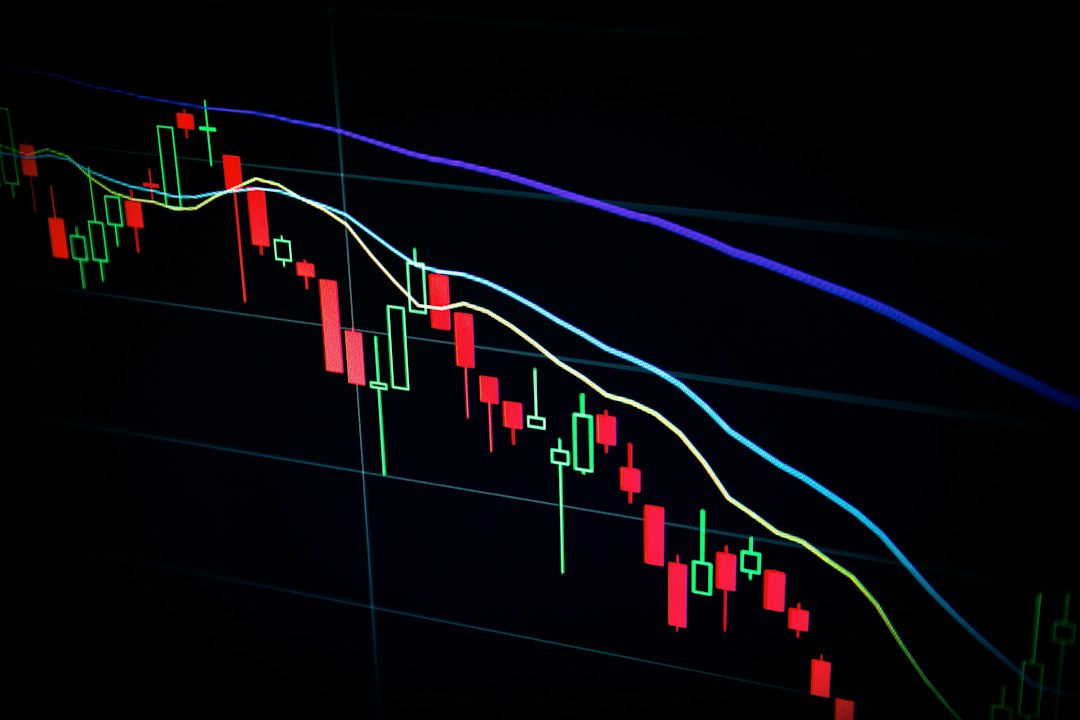
Time frames in Forex trading represent the period each candlestick or bar covers on your chart. Common options range from 1-minute charts to monthly charts. Each time frame reveals different aspects of price action and market momentum. Shorter time frames like 1-minute or 5-minute charts show rapid price fluctuations and require constant attention. Longer time frames such as daily or weekly charts display broader trends and require less monitoring. The key is matching the time frame to your available time and emotional capacity for decision-making.
Most professional traders use multiple time frame analysis, checking higher time frames for direction and lower ones for entry timing. However, beginners should master one or two time frames before adding complexity. Start simple, understand price behavior on your chosen time frame, and expand gradually as you gain experience.
Best Time Frames for Part-Time Traders
If you have a full-time job or limited screen time, the 4-hour and daily charts are ideal starting points. These time frames require checking your charts only 2-3 times per day, making them practical for busy schedules. The 4-hour chart updates six times daily, giving you clear trend signals without overwhelming noise. Daily charts are even simpler—one candle per day means one decision cycle.
| Time Frame | Checks Per Day | Stress Level | Best For |
|---|---|---|---|
| Daily (D1) | 1-2 | Low | Part-time traders, swing trading |
| 4-Hour (H4) | 2-4 | Low-Medium | Evening traders, position trading |
| 1-Hour (H1) | 6-8 | Medium | Active day traders with flexible time |
| 15-Minute (M15) | 20+ | High | Full-time scalpers only |
These slower time frames also reduce trading costs since you take fewer trades, paying less in spreads and commissions. For beginners building capital, minimizing transaction costs is crucial. Higher time frames also filter out market noise, showing you genuine trends rather than random fluctuations that trap inexperienced traders.
Why Beginners Should Avoid Scalping Time Frames
Many new traders are attracted to 1-minute and 5-minute charts because they offer constant action and the illusion of quick profits. However, these ultra-short time frames are the hardest to trade profitably. The speed demands split-second decisions, emotional control is critical, and spreads consume a larger percentage of potential gains. Transaction costs can eat 30-50% of your profits on short time frames versus 5-10% on daily charts.
Scalping also requires advanced skills in reading order flow, understanding market microstructure, and managing rapid-fire trades. Beginners lack the pattern recognition and emotional discipline needed. Studies show that over 80% of scalpers lose money in their first year. Instead, focus on learning market structure and risk management on slower charts before attempting faster time frames after 1-2 years of consistent profitability.
The 4-Hour Chart Sweet Spot
For most beginner Forex traders, the 4-hour chart (H4) offers the best balance. It's slow enough to avoid emotional overtrading but fast enough to provide regular trading opportunities. You can check charts during lunch breaks, after work, or in the evening without being glued to your screen. H4 charts clearly show support and resistance levels, trend channels, and classic chart patterns.
This time frame typically generates 2-4 quality setups per week per currency pair. If you monitor 3-4 major pairs, you'll have sufficient opportunities without overtrading. The holding period ranges from 2-5 days, allowing stop losses to be wider and more forgiving than scalping setups. You can set alerts and walk away, checking back periodically rather than watching every tick.
Combining Time Frames: The Top-Down Approach
Once comfortable with your primary time frame, learn the top-down analysis method. This means checking a higher time frame for trend direction, then dropping to your trading time frame for entries. For example, if trading on H4, check the daily chart first to confirm the overall trend. Only take H4 buy signals if the daily chart shows an uptrend, and only take sell signals during daily downtrends.
This simple rule dramatically improves win rates because you trade with the dominant momentum rather than against it. A basic combination for beginners: daily chart for trend, 4-hour for entry, 1-hour for fine-tuning stop placement. Avoid checking too many time frames initially—three is plenty. More screens create confusion and contradictory signals that paralyze decision-making.
Conclusion: The best time frame for beginner Forex traders is the one that matches your schedule and allows calm, rational decisions. For most, the 4-hour and daily charts provide the ideal starting point, offering clear trends without overwhelming stress. Avoid the trap of scalping until you've proven consistent profitability on slower charts. Master one time frame thoroughly before expanding your analysis. Patience on higher time frames builds the discipline and pattern recognition that separate winning traders from the majority who fail.