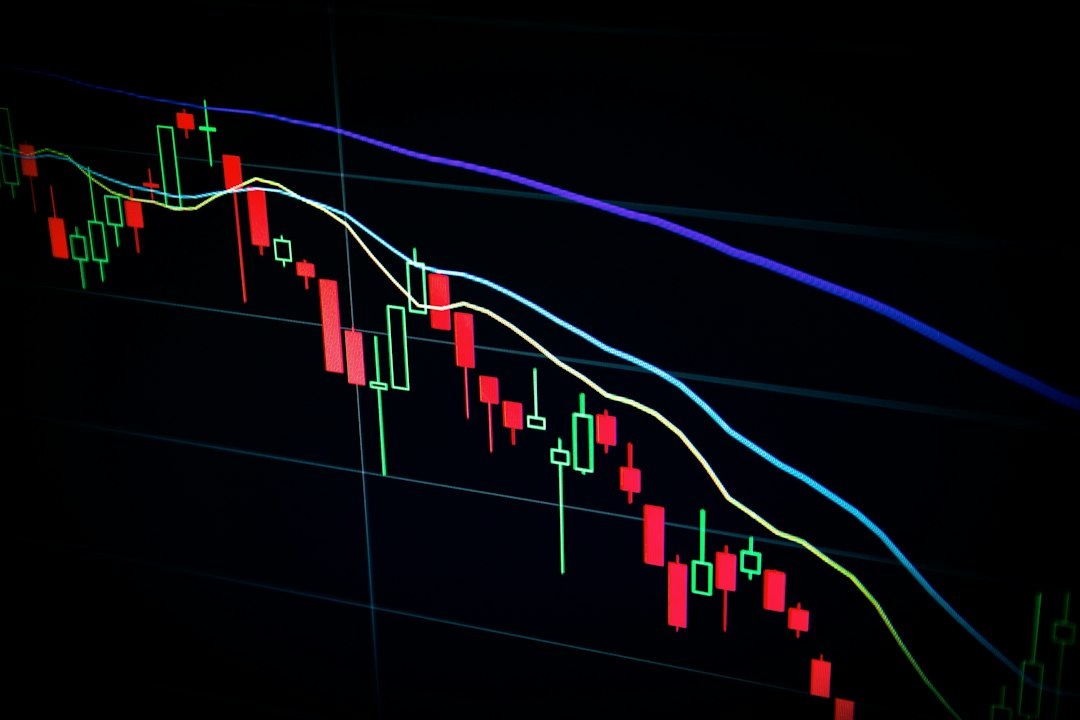
How Economic News Affects Currency Market Volatility
Currency markets react instantly to economic news releases, creating dramatic price swings that can multiply profits or trigger devastating losses. For Forex traders, understanding how economic data drives volatility is essential for both capitalizing on opportunities and protecting capital. This guide breaks down which economic indicators matter most, how markets typically react, and practical strategies for trading around major announcements without exposing yourself to unnecessary risk.
Why Economic News Creates Forex Volatility
Economic news releases provide fresh data about a country's economic health, directly influencing central bank policy expectations and currency valuations. When actual figures deviate from forecasts, traders rapidly adjust positions, causing sharp price movements. The Forex market's 24-hour nature and high leverage amplify these reactions compared to other markets.
Three factors determine volatility intensity:
- Surprise factor: Larger deviations from consensus forecasts trigger bigger moves
- Economic significance: Data affecting monetary policy decisions creates maximum impact
- Market positioning: Crowded trades unwind violently when news contradicts expectations
Currency pairs involving major economies like USD, EUR, GBP, and JPY show the strongest reactions to their respective economic calendars. Understanding this relationship helps traders anticipate potential volatility windows.
High-Impact Economic Indicators That Move Markets
Not all economic releases carry equal weight. Central bank decisions and employment data consistently generate the highest volatility, while secondary indicators may barely register. Knowing which reports to watch prevents wasting attention on noise while missing critical market movers.
| Indicator | Impact Level | Typical Volatility | Release Frequency |
|---|---|---|---|
| Central Bank Rate Decisions | Extreme | 100-200 pips | Monthly/Quarterly |
| Non-Farm Payrolls (NFP) | Very High | 80-150 pips | Monthly |
| GDP Reports | High | 50-100 pips | Quarterly |
| Inflation Data (CPI/PPI) | High | 60-120 pips | Monthly |
| Retail Sales | Medium | 30-60 pips | Monthly |
Central bank announcements dominate because they directly set interest rates and signal future policy direction. Employment data matters because it heavily influences those policy decisions. Inflation reports have gained importance as central banks worldwide combat price pressures.
Market Reaction Patterns and Trading Strategies
Economic news triggers predictable reaction patterns: initial spike on release, potential reversal as traders digest details, then trend continuation or consolidation. Understanding these phases helps traders time entries and exits more effectively.
Professional traders employ three main approaches:
- Trade before news: Position based on forecast expectations, exit before release (high risk)
- Trade the news: Enter during initial spike using pending orders (requires speed and precision)
- Trade after news: Wait for clarity, enter on confirmation (safest approach for most traders)
The straddle strategy involves placing buy and sell stop orders before major releases, capturing breakout direction while limiting risk through tight stops on the losing side. However, widening spreads during news events often trigger both orders, resulting in losses.
Risk Management During High-Volatility Events
Economic news volatility creates opportunity but magnifies risk exponentially. Many traders lose more during news events than they gain, despite correctly predicting market direction. Proper risk management separates profitable news traders from casualties.
Essential protection measures include:
- Reduce position size: Use 25-50% of normal trade size during news events
- Widen stop losses: Account for increased volatility and potential slippage
- Avoid holding through major releases: Close positions 15-30 minutes before high-impact news unless specifically trading the event
- Check economic calendar daily: Never enter trades without knowing upcoming data releases
Remember that spread widening during news releases can trigger stop losses prematurely or prevent profitable exits. Brokers often increase spreads from 1-2 pips to 10-20 pips during major announcements, significantly impacting trade profitability.
Conclusion: Mastering Volatility for Consistent Results
Economic news drives Forex volatility, creating both opportunities and dangers for currency traders. By focusing on high-impact indicators, understanding market reaction patterns, and implementing strict risk management protocols, traders can navigate news-driven volatility successfully. Start by avoiding trades around major releases until you've observed enough patterns to develop confidence. Track your economic calendar religiously, and never risk capital without knowing what announcements could affect your positions today.