How Market Makers Influence Forex Price Movements
Every forex trader enters buy or sell orders, but few understand who's on the other side of their trades. Market makers are the institutional players who provide liquidity and facilitate price discovery in the forex market. Unlike retail traders who speculate on directional moves, market makers profit from the bid-ask spread and manage order flow. Understanding their role helps you recognize why prices move the way they do and how to avoid becoming liquidity for their operations.
What Market Makers Actually Do
Market makers are financial institutions—typically large banks like JP Morgan, Citibank, or Goldman Sachs—that quote both buy and sell prices for currency pairs. Their primary function is to provide liquidity, ensuring there's always a counterparty for traders wanting to enter or exit positions. They profit mainly from the spread between bid and ask prices, not from predicting market direction.
Here's how they operate:
- They hold large inventories of currencies to facilitate instant trades
- They adjust spreads based on market volatility and risk
- They hedge their exposure through various financial instruments
- They earn from order flow, not directional bets
Unlike retail traders who hope prices move in their favor, market makers remain relatively neutral, collecting profits from transaction volume and spread income.
Price Manipulation Tactics and Stop Hunting
One controversial aspect of market maker activity is stop hunting—the practice of pushing prices to levels where clusters of stop-loss orders exist. Market makers can see order book data that retail traders cannot, revealing where large groups of stops are placed. By briefly spiking prices to these levels, they trigger stops, creating liquidity they can use to fill larger institutional orders.
| Tactic | How It Works | Trader Impact |
|---|---|---|
| Stop Hunting | Price spikes to trigger clustered stops | Premature exit from valid trades |
| Spread Widening | Increase spread during news or low volume | Higher entry costs, potential slippage |
| Order Flow Absorption | Fill large orders gradually to avoid price impact | Creates false breakouts or reversals |
| Liquidity Withdrawal | Reduce quotes during volatile periods | Difficulty entering/exiting positions |
This isn't necessarily illegal—it's how markets function. However, retail traders often place stops at obvious technical levels (round numbers, recent highs/lows), making them predictable targets.
How Market Makers Profit From Retail Order Flow
Many retail brokers operate as B-book brokers, meaning they act as the counterparty to client trades rather than passing orders to the interbank market. When you buy EUR/USD through such a broker, the broker takes the opposite position. If you lose, they profit directly.
Market makers and B-book brokers benefit from several retail trading behaviors:
- Overleveraging: High leverage leads to faster margin calls
- Poor risk management: Wide stops or no stops create profit opportunities
- Emotional trading: Panic selling and FOMO buying provide predictable liquidity
- Following obvious patterns: Trading textbook setups everyone else sees
This creates an inherent conflict of interest where your broker may profit more from your losses than your success. Not all brokers operate this way—A-book brokers pass orders to liquidity providers and profit only from commissions.
Identifying Market Maker Footprints in Price Action
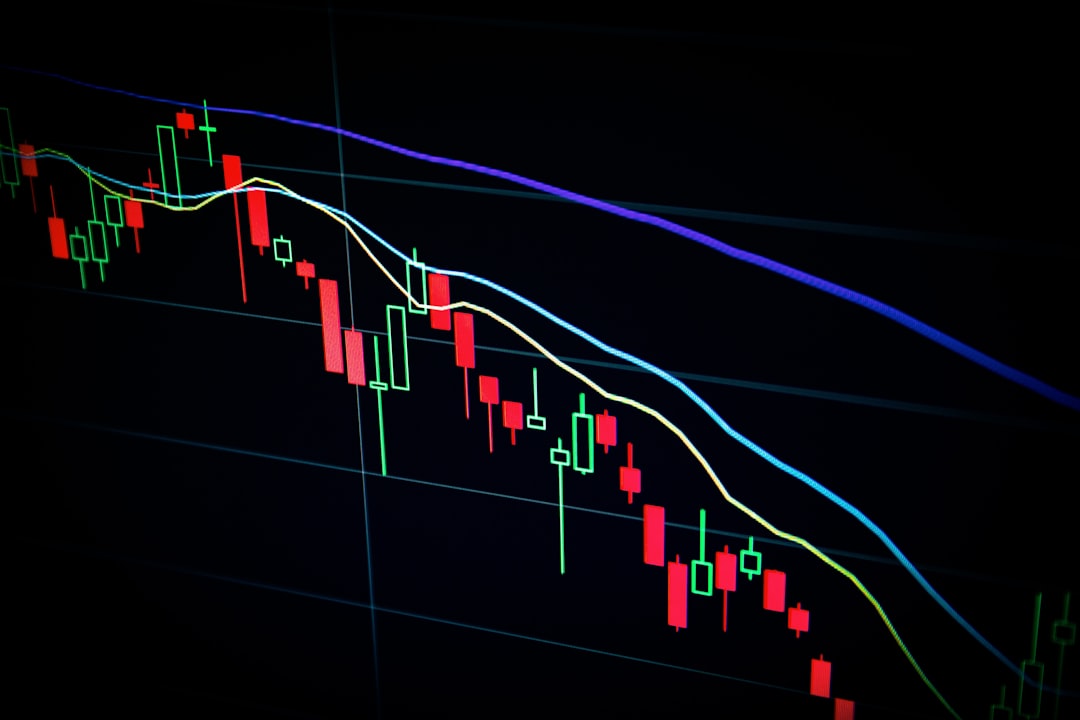
Experienced traders learn to recognize market maker activity through specific price patterns. False breakouts often indicate stop hunting—price briefly breaks a key level, triggers stops, then reverses sharply. Wicks and shadows on candlesticks show where price was pushed to grab liquidity before returning to equilibrium.
Other signs include:
- Sudden volatility spikes with no fundamental news
- Price reversals immediately after hitting round numbers (1.2000, 1.5000)
- Unusual spread widening during typically liquid sessions
- Quick moves that trap breakout traders before reversing
Volume analysis can also reveal market maker presence. Low volume breakouts often reverse because they lack genuine market participation—they're manufactured moves to trigger stops or fill institutional orders.
Adapting Your Strategy to Market Maker Reality
Rather than fighting market makers, successful traders adapt their strategies to account for their influence. Place stops beyond obvious levels where clusters accumulate. Use mental stops or wider technical stops at less predictable areas. Avoid trading during the first few minutes of major session opens when stop hunting is most common.
Consider these protective measures:
- Use limit orders instead of market orders to control entry prices
- Avoid maximum leverage that makes you vulnerable to brief spikes
- Choose A-book or ECN brokers with transparent execution
- Wait for price to settle after breaking key levels before entering
- Understand that some losses are unavoidable market costs
Accept that market makers provide essential liquidity. Without them, forex markets would lack the depth and accessibility retail traders enjoy. The key is understanding their role and adjusting your approach accordingly.
Market makers will always influence forex price movements through their liquidity provision and order management. By recognizing their tactics and adjusting your stop placement, broker selection, and entry timing, you can reduce their negative impact on your trading results. Focus on developing a robust strategy that accounts for market structure rather than trying to outsmart institutional players.