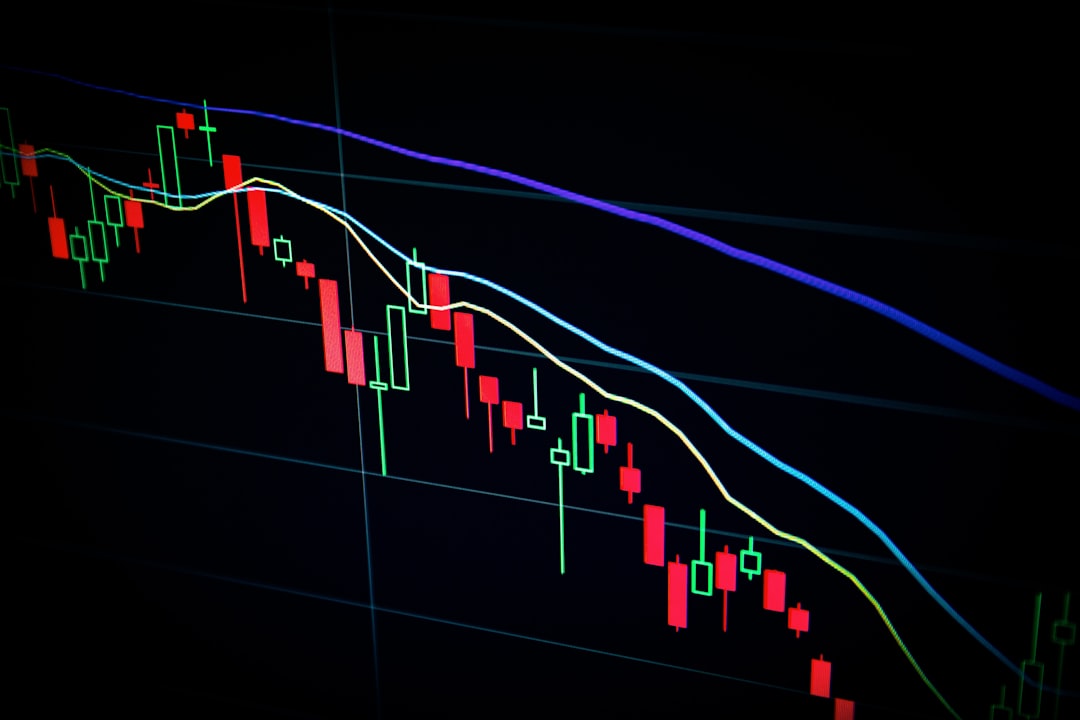
How to Avoid Emotional Trading During Market Volatility
Market volatility triggers powerful emotional responses that can destroy even the most promising trading strategies. When prices swing wildly, fear and greed take control, pushing traders into impulsive decisions that result in significant losses. This comprehensive guide reveals practical techniques to maintain emotional discipline during turbulent market conditions, protecting your capital and improving long-term performance.
Understanding the Psychology Behind Emotional Trading
Emotional trading stems from our brain's hardwired survival mechanisms. When markets become volatile, the amygdala triggers fight-or-flight responses that override rational thinking. Loss aversion makes us feel losses twice as intensely as equivalent gains, causing panic selling at market bottoms. Meanwhile, FOMO (fear of missing out) drives impulsive buying during rapid rallies.
The cortisol released during stressful market moves impairs decision-making ability and increases risk-taking behavior. Traders often experience cognitive biases like confirmation bias, where they seek information supporting their emotional position rather than objective analysis. Recognizing these psychological patterns is the first step toward controlling them.
Implementing a Pre-Trade Routine for Emotional Control
A structured pre-trade routine acts as your emotional firewall. Before executing any trade during volatile conditions, complete this checklist:
- Review your trading plan: Confirm the setup matches your predefined criteria
- Check risk parameters: Verify position size follows your risk management rules
- State your thesis: Write down why you're taking the trade and your exit strategy
- Perform a body scan: Notice physical tension, rapid heartbeat, or shallow breathing indicating emotional arousal
This systematic approach creates a buffer between impulse and action. If you can't calmly complete these steps, postpone the trade. The best trades don't require urgency.
Risk Management Techniques That Reduce Emotional Pressure
Proper risk management eliminates the emotional intensity that leads to poor decisions. When you risk only what you can afford to lose, market swings become manageable events rather than catastrophic threats.
| Risk Management Rule | Purpose | Emotional Benefit |
|---|---|---|
| 1-2% risk per trade | Limit single-trade impact | Reduces fear of ruin |
| Predetermined stop-loss | Define maximum loss | Eliminates hope-based holding |
| Position sizing formula | Consistent risk across trades | Prevents revenge trading |
| Daily loss limit | Stop after threshold hit | Breaks losing streaks |
Implement these rules during calm periods, then follow them mechanically during volatility. Never adjust stops wider during a trade—this is emotional manipulation of your risk parameters.
Creating Physical and Mental Distance From Markets
Constant market monitoring during volatile periods intensifies emotional reactions. Professional traders use strategic detachment to maintain perspective. Set alerts for key price levels rather than watching every tick. Once you've entered a trade with proper stop-loss placement, step away from screens.
Physical techniques help reset emotional state: practice box breathing (4 counts in, 4 hold, 4 out, 4 hold), take a 10-minute walk, or switch to a completely unrelated task. These breaks prevent the emotional buildup that leads to impulsive decisions. Many successful traders limit screen time to specific market sessions, avoiding the psychological drain of 24/7 crypto monitoring.
Developing a Volatility Response Protocol
Create a written protocol for extreme volatility scenarios before they occur. This document should outline specific actions you'll take when certain conditions arise—flash crashes, sudden 10% moves, or consecutive losing trades. Include questions to ask yourself: "Is this trade part of my plan?" "Am I trading from fear or analysis?" "Would I take this trade if the market were calm?"
Keep a trading journal documenting emotional states alongside trades. Review it weekly to identify patterns—perhaps you overtrade after winners or become risk-averse after losses. This self-awareness transforms emotional triggers into manageable challenges rather than uncontrollable impulses.
Mastering emotional control during market volatility separates profitable traders from the majority who let feelings dictate decisions. Implement these structured approaches, maintain strict risk management, and practice strategic detachment. Remember: protecting capital during volatile periods positions you to profit when opportunities align with your strategy. Start building these habits in low-stress conditions so they become automatic when markets test your discipline.