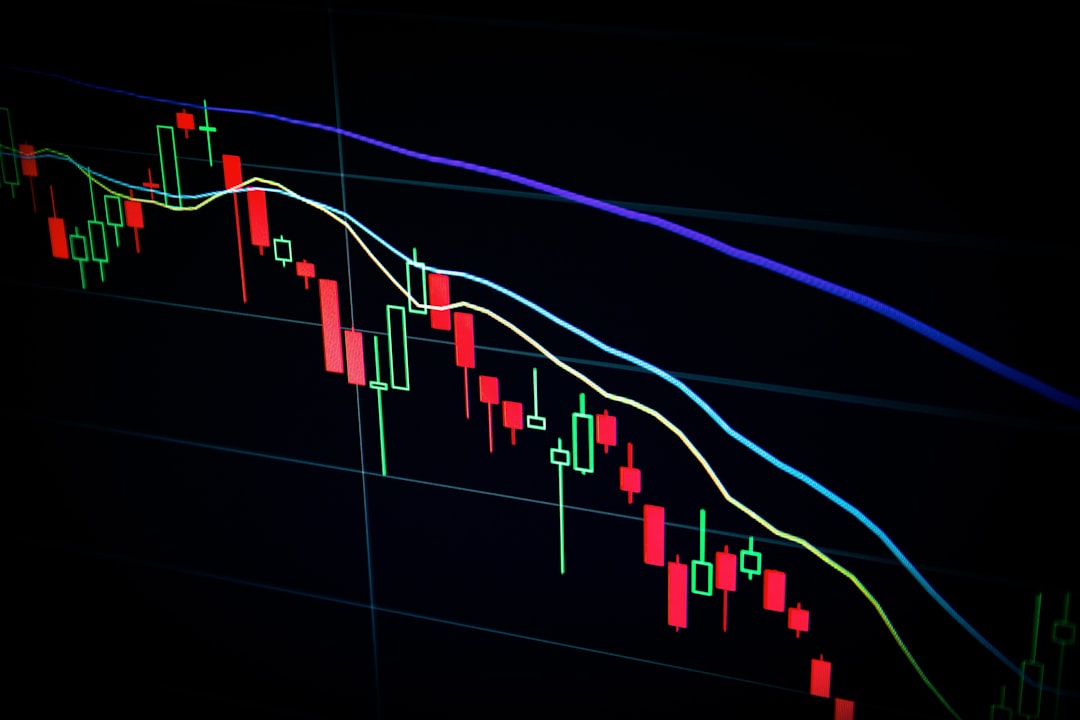
How Professional Traders Manage Losing Streaks Without Breaking Down
Every trader, regardless of experience level, faces losing streaks. The difference between professionals and amateurs isn't avoiding losses—it's how they respond when trades go against them. Professional traders view losing streaks as inevitable market conditions requiring specific management protocols, not personal failures. In this guide, you'll discover the exact strategies pros use to protect their capital, maintain psychological stability, and position themselves for recovery when markets turn unfavorable.
Understanding Losing Streaks: The Statistical Reality
Professional traders accept that losing streaks are mathematically inevitable, even with profitable strategies. A system with 60% win rate can easily produce 5-7 consecutive losses through random distribution. Recognizing this prevents emotional decision-making during drawdowns.
Key principles professionals follow:
- Track maximum historical drawdown for your strategy
- Calculate probability of consecutive losses using your win rate
- Set predetermined drawdown limits before stopping trading
- Document each losing trade for pattern analysis, not self-criticism
The mental shift from "I'm losing" to "I'm experiencing normal variance" separates sustainable traders from those who blow accounts. Professionals prepare for worst-case scenarios during their best trading periods, building psychological and financial buffers when confidence is high.
Position Sizing: The First Line of Defense
Professional traders reduce position size at the first sign of a losing streak. This dynamic risk adjustment protects capital while maintaining market exposure. Many pros cut position size by 25-50% after 3 consecutive losses, regardless of strategy confidence.
| Account Phase | Position Size | Risk per Trade | Objective |
|---|---|---|---|
| Normal Trading | Standard | 1-2% | Growth |
| After 3 Losses | 50% Reduction | 0.5-1% | Preservation |
| After 5 Losses | 75% Reduction | 0.25-0.5% | Survival Mode |
| Recovery Phase | Gradual Increase | 0.75-1.5% | Rebuilding Confidence |
This systematic approach removes emotion from the equation. When position size scales with performance, you naturally risk less when struggling and more when executing well. The goal isn't to stop trading entirely but to survive the statistical rough patch with minimal damage.
The Professional Review Process During Drawdowns
Rather than abandoning proven strategies during losing streaks, professionals conduct structured reviews. They analyze whether losses stem from poor execution, changed market conditions, or normal variance. This requires detailed trade journals documenting entry reasons, emotions, and market context.
Critical review questions professionals ask:
- Did I follow my trading plan exactly?
- Have market conditions fundamentally changed?
- Are my losses concentrated in specific setups or random?
- Am I forcing trades due to impatience or revenge trading?
Most losing streaks result from execution errors or temporary market regime shifts, not flawed strategies. By identifying the true cause, professionals know whether to pause trading, adjust tactics, or continue with reduced size. This evidence-based approach prevents the costly mistake of abandoning winning systems during normal drawdowns.
Psychological Tactics: Protecting Your Mental Capital
Professional traders recognize that mental capital depletes faster than financial capital during losing streaks. They implement specific psychological protocols to maintain emotional stability and prevent destructive behaviors like revenge trading or abandoning discipline.
Effective psychological strategies include:
- Taking mandatory breaks after 2-3 consecutive losses
- Switching to demo trading to regain confidence without risk
- Reducing screen time and market exposure temporarily
- Reviewing past successful trades to rebuild self-belief
- Engaging in physical exercise to manage stress hormones
Many professionals also maintain a "worst trade" log showing they've survived difficult periods before. This historical perspective provides evidence that current struggles are temporary, not permanent failures. Recovery always follows discipline—professionals trust their process more than their recent results.
The Recovery Blueprint: Coming Back Stronger
Professional traders don't rush recovery. They understand that rebuilding after a losing streak requires patience and progressive exposure. The comeback phase focuses on executing the strategy perfectly with minimal size until confidence and consistency return naturally.
Recovery typically follows this progression: start with 25% normal position size for 5-10 winning trades, increase to 50% for another 10 trades, then gradually return to full size only when statistics normalize. This gradual scaling prevents premature aggression that often creates secondary drawdowns. Professionals measure recovery success by process adherence, not profit targets.
Understanding that losing streaks end through discipline, not desperation, defines professional trading mindset. Markets reward patience and punish emotional reactions—staying committed to proven risk management during difficult periods separates career traders from casualties.